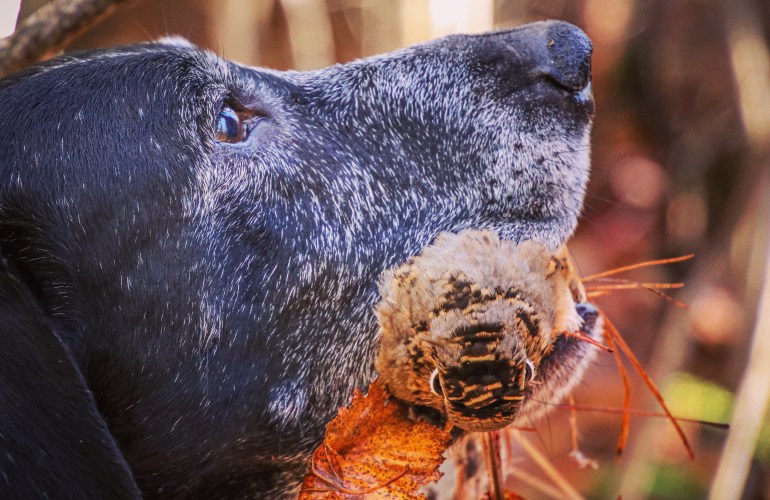
Don’t forget this noble gamebird in the world of upland conservation.
By Matt Soberg
The American woodcock is often overlooked in the upland world when compared to the iconic bobwhite quail, recognizable ring-necked pheasant, or the king ruffed grouse. Especially south of the Mason-Dixon Line, quail reign supreme in the annals of historical literature, highland and lowland habitat efforts, and in the hearts and minds of bird-dog owners who take to the uplands each season. First woodcock references, on the other hand, largely reflect unflattering nicknames—timberdoodle and bogsucker, to name just two—their upside-down brains, questionable flavor on the palate, and the premise that they were formed of leftover parts not used for other birds by the Maker at the beginning of time. However, if you are an upland hunter, dedicated landowner, or passionate conservationist, lend your eyes, ears, sweat, and tears to this worthy gamebird in serious need of future conservation.
The woodcock is a gentleman’s gamebird. The mottled, orange and brown feathers lined with black stripes give them the superpower to remain almost invisible in the young aspens and alders of their Northern nesting regions, or the pines and young forest saplings of their wintering grounds of the Deep South. Coupled with an almost unwavering patience of place afield, the woodcock champions an almost chivalrous intent to hold tight for bird dogs, both pointers and flushers alike. Revered hunting authors, such as Burton Spiller, Gordon MacQuarrie, and George Bird Evans, have marveled over woodcock through the golden years of upland hunting. In The Upland Shooting Life, Evans wrote, “I want there to be woodcock forever flying over in October, and solitude, and Hunter’s Moons.” The woodcock lives in a silent harmony of endurance, charm, and elegance. One of few migratory upland game birds, they fly at night to and from young forest habitats and open fields to feed. When the time comes, some say during the “woodcock moon,” the robin-size birds migrate during evenings from nesting grounds, ranging from Minnesota to Maine, thousands of miles southward to wintering grounds ranging from East Texas to Florida.
Read the complete article at the link below:
 Matt Soberg